
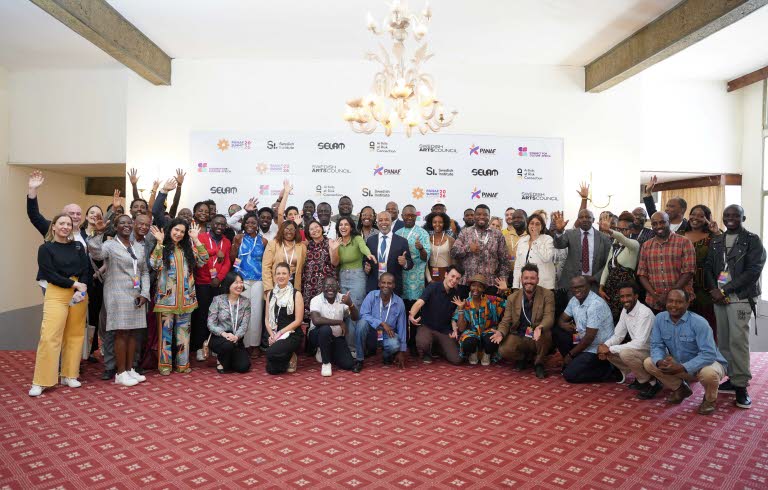
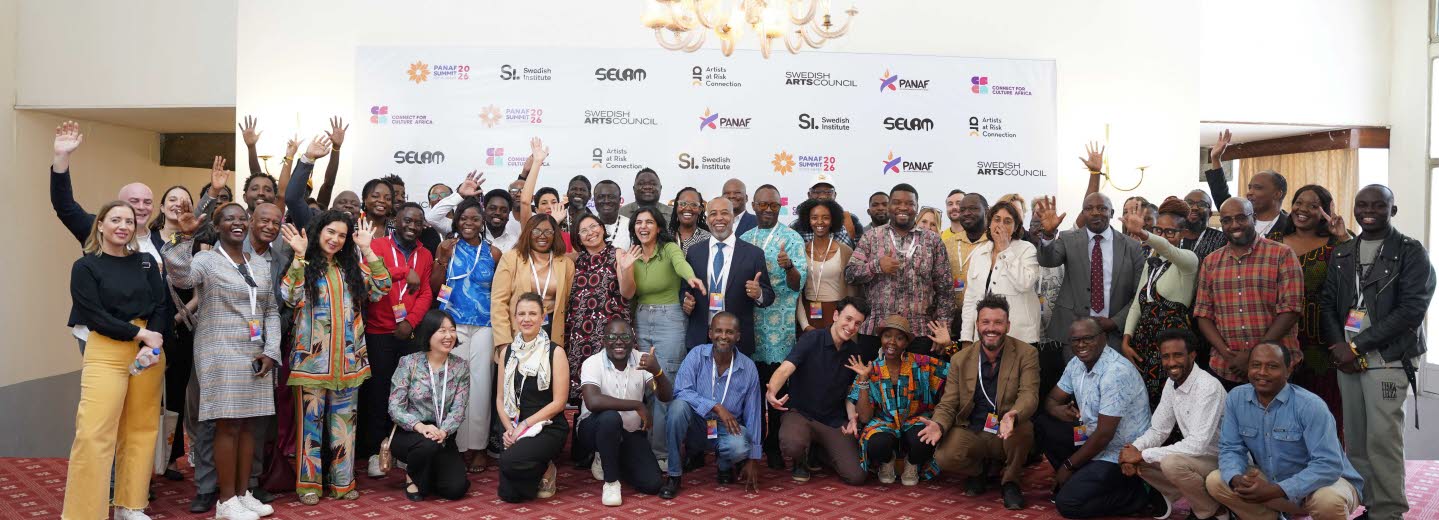
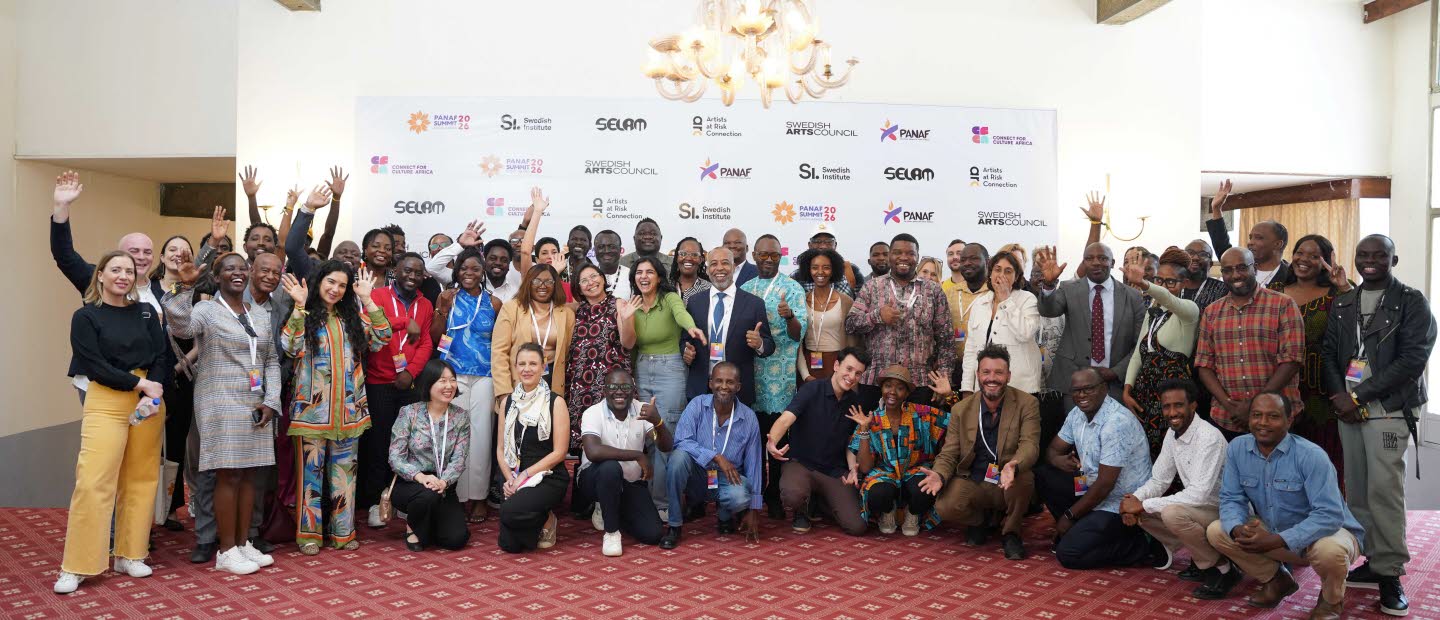
The Programme for Artistic Freedom participated in PANAF in Addis Ababa
Between 3–9 February, the Swedish Arts Council’s Programme for Artistic Freedom visited Addis Ababa, Ethiopia.
During the visit, the programme participated in the conference Pan-African Network for Artistic Freedom (PANAF), organised by programme partner Selam and held from 6–8 February. The conference brought together cultural actors, civil society organisations, policymakers and international stakeholders from across the globe.
PANAF serves as an important platform for dialogue on artistic freedom and cultural infrastructure in the region. In previous years, the conference has been held in Tanzania, but this year it took place in Addis Ababa, Ethiopia. As the seat of the African Union, Addis Ababa holds a central role in continental cooperation. The choice of location also coincides with Selam recently signing a Memorandum of Understanding with the African Union, giving this year’s conference an additional symbolic significance. This year’s agenda placed particular emphasis on sustainable financing, the safety and protection of artists, ownership of creative work, and how cultural actors can operate safely in contexts where the space for freedom of expression and civil society is increasingly shrinking.
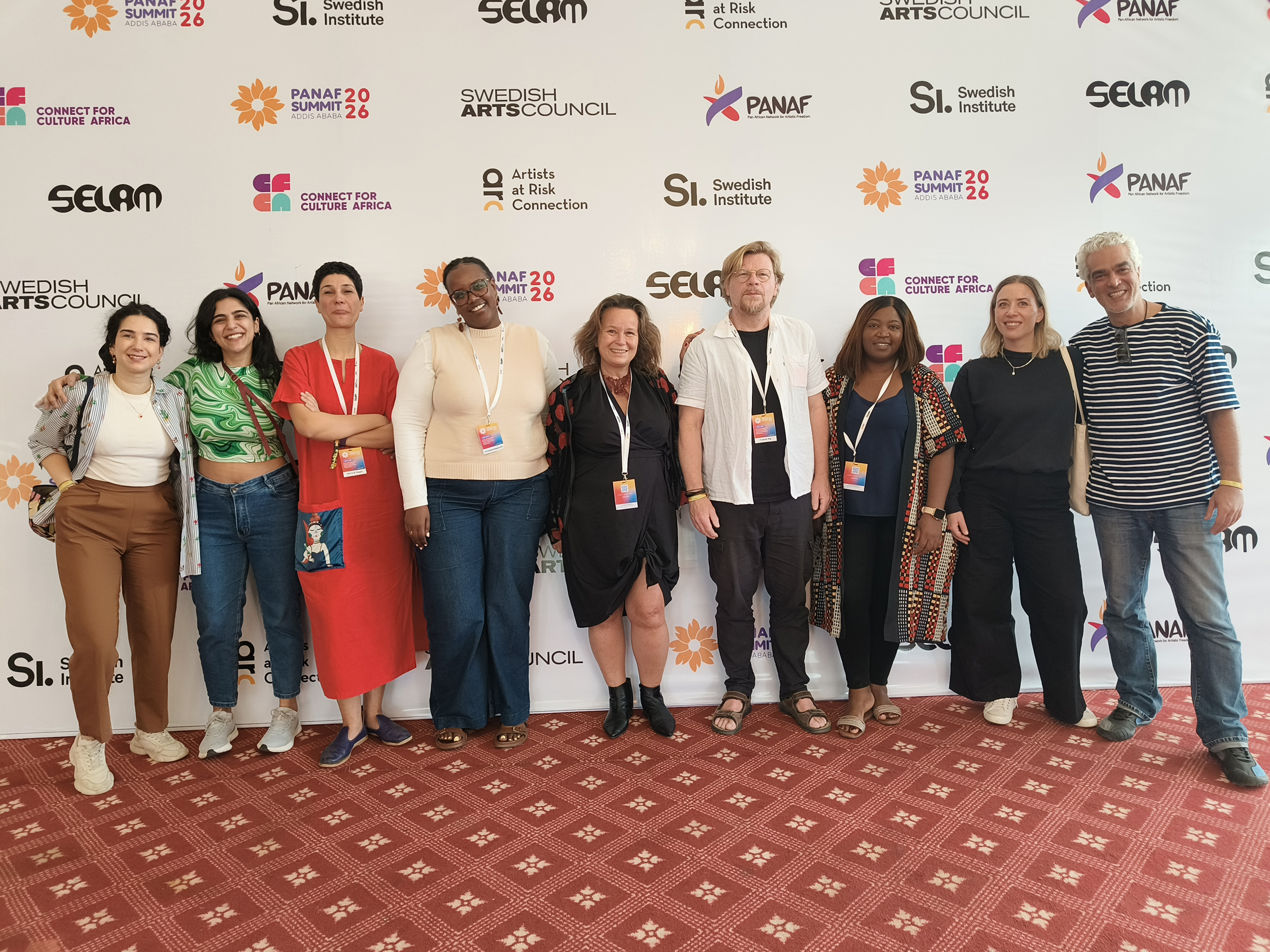
Several of the programme’s partner organisations participated in the conference, including Mawred – Culture Resource, DefendDefenders, Artists at Risk, Nhimbe Trust and SHFT. The discussions were characterised by openness and a shared analysis of the challenges artists face in environments where censorship, threats and legal restrictions affect artistic work. The conversations also highlighted the importance of long-term and flexible funding models that strengthen local ownership and enable sustainable support for artists and cultural actors.
One clear conclusion from the conference was that artistic freedom is not a peripheral cultural issue, but a fundamental component of democratic societies. The conditions for free artistic expression are closely connected to questions of accountability, human rights and societal resilience. Safeguarding artistic freedom requires long-term commitment, partnerships and international cooperation.
During the visit, meetings were also held with the Embassy of Sweden in Addis Ababa, the EU Delegation and UNESCO. These discussions focused on how international actors can collaborate to strengthen protection for artists and develop structures that promote cultural diversity and free artistic practice. The meetings further anchored the programme’s work within a broader international context and strengthened connections between national, regional and multilateral actors, in line with the programme’s coordination of the international donor dialogue.
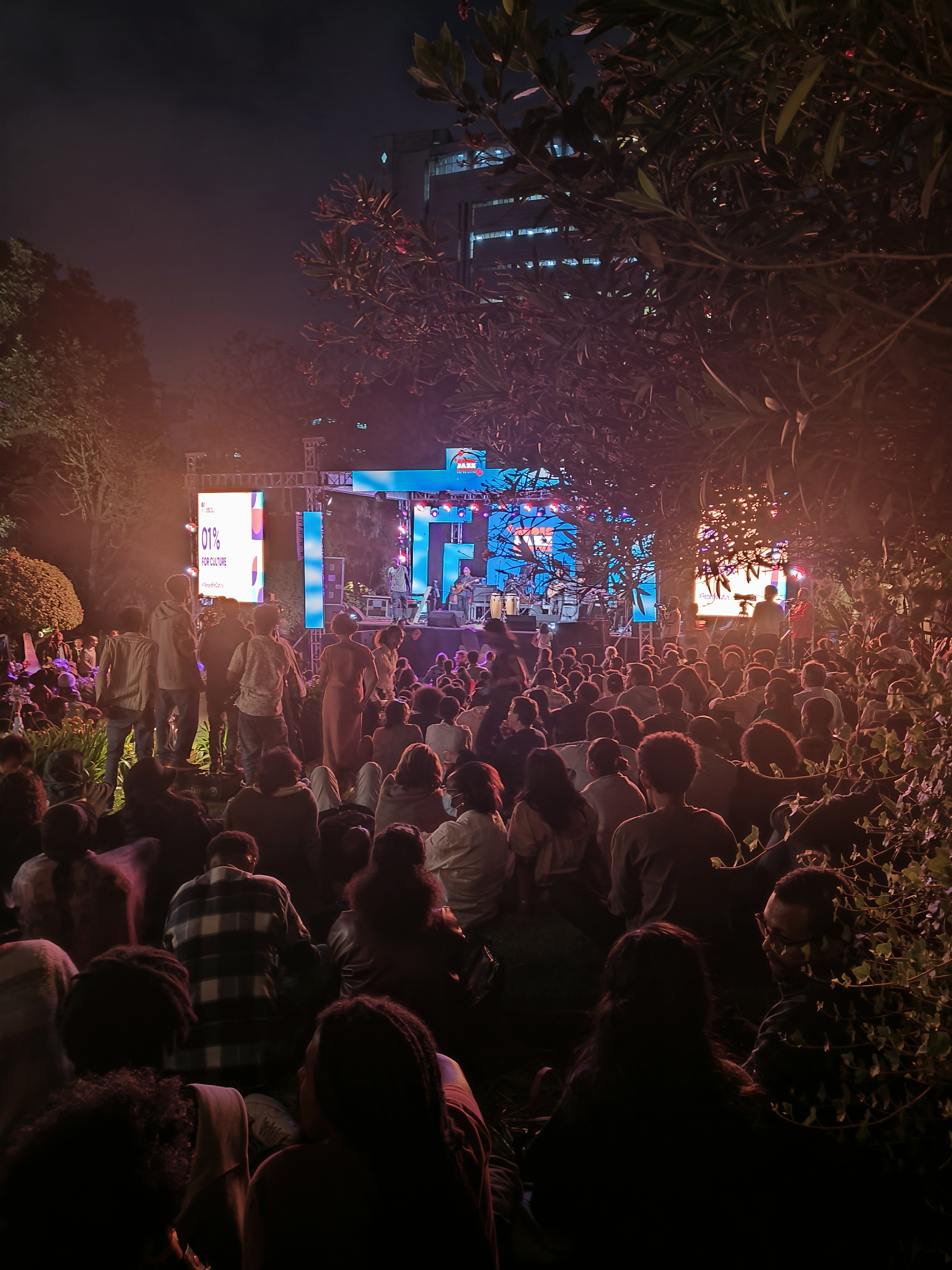
During the week, Selam also organised a jazz festival at the Embassy of Sweden in Addis Ababa. The event brought together local and international musicians and cultural actors, illustrating in a tangible way how artistic exchange and international collaboration can strengthen cultural networks and create spaces for free artistic expression.
Participation in PANAF and the surrounding meetings formed an important part of the programme’s ongoing work to strengthen international dialogue and long-term partnerships for artistic freedom. By bringing together civil society organisations, public actors and international institutions, the programme contributes to developing structures that support artists working in complex and rapidly changing contexts.